
Public school education serves as a cornerstone for both academic and social development. As a fundamental institution in society, public schools provide an inclusive environment where students from various backgrounds can learn collectively. Through a structured curriculum and diverse extracurricular activities, public schools not only aim to educate but also to foster interpersonal skills and community awareness. Overall, these institutions play a key role in shaping well-rounded, knowledgeable, and socially conscious individuals.
Academic Foundations
Academically, public schools offer a standardized curriculum designed to ensure that students acquire essential knowledge and competencies. This standardized approach enables students to build foundational skills in subjects such as mathematics, science, and language arts. According to What To Become, 94% of Americans have earned at least a high school diploma, highlighting the success of public education in achieving widespread literacy and basic education. The focus on consistency and quality in public schooling assures that graduates are equipped with the critical skills necessary for both higher education and entry into the workforce.
Social Development
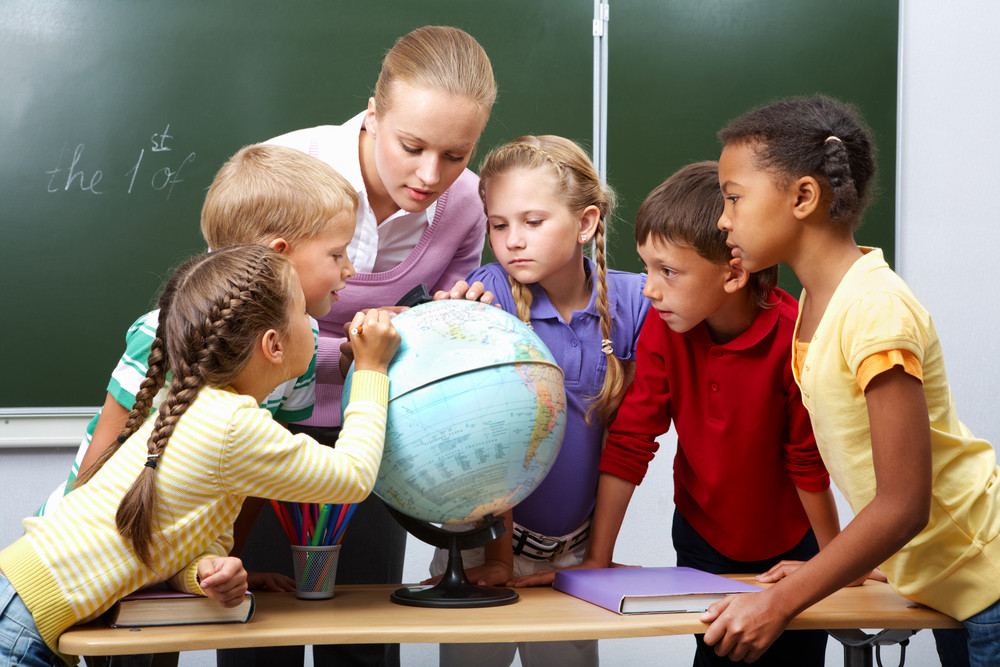
In addition to academic proficiencies, public schools place a strong emphasis on the development of social skills and emotional intelligence. The diverse and inclusive environment provides students with the opportunity to interact with peers from different cultures and socio-economic backgrounds. This interaction is pivotal in teaching students empathy, cooperation, and communication skills. Through group projects, team sports, and classroom discussions, students learn to build relationships and work collaboratively—a skill that is invaluable in both personal and professional settings.
Extracurricular Engagement
Public schools also offer various extracurricular activities that contribute to personal and social growth outside the traditional classroom setting. Clubs, team sports, and arts programs provide students with the opportunity to explore their interests and talents. Participating in these activities cultivates self-confidence and leadership abilities while also encouraging a sense of responsibility and time management. These experiences not only enhance students’ school life but also contribute significantly to their personal identity and sense of community.
Public school education is crucial in equipping students with the necessary tools for academic success and social integration. By providing a comprehensive curriculum and diverse extracurricular opportunities, public schools prepare students for the challenges of the future. The positive outcomes of public education, as evidenced by high graduation rates, prove its effectiveness in developing competent and socially-aware individuals. Consequently, public schools continue to be an essential component of a well-functioning society. For more information about enrolling your child into public school, be sure to reach out to NOLA Public Schools today.